
Electrofusion Welding Machines
Electrofusion control units for PE, PP and PVDF fittings, with barcode input and weld logging.
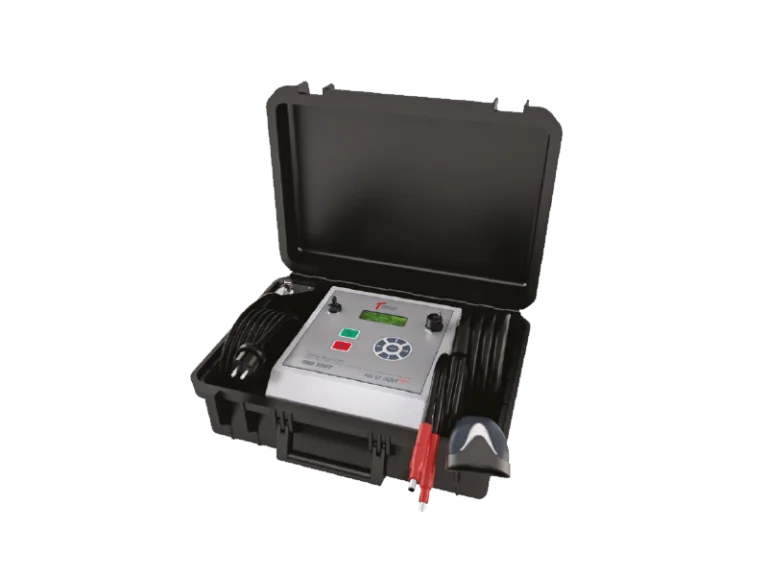
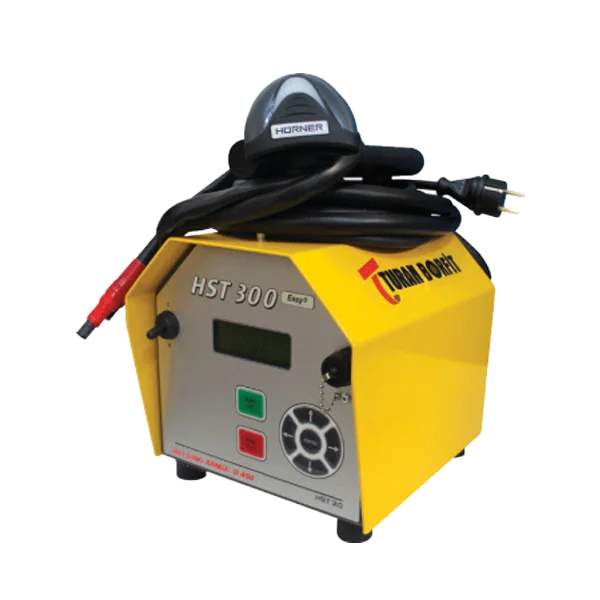
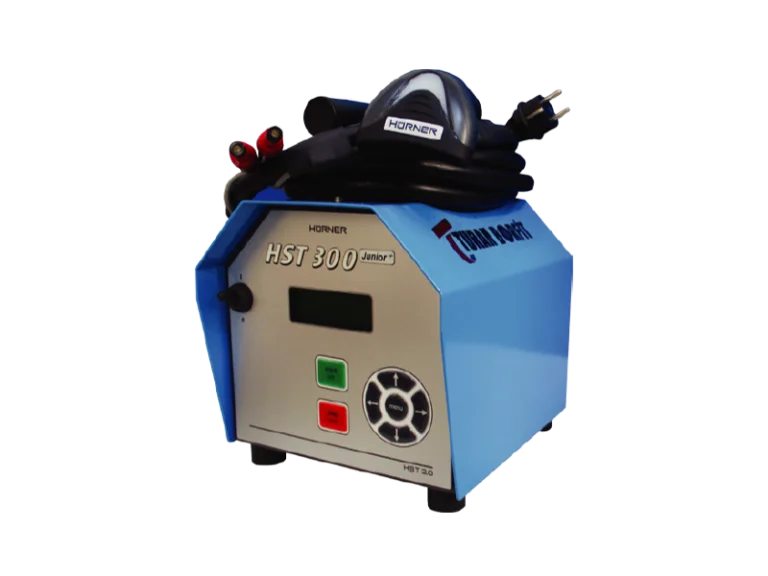
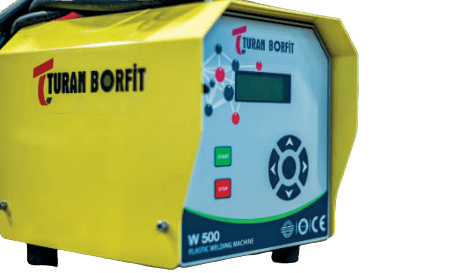
ABOUT THIS RANGE
How electrofusion machines work
An electrofusion welding machine, or control unit, powers the heating wire moulded into an electrofusion fitting. You connect the cables to the fitting terminals, scan the barcode on the fitting, and the machine applies the right voltage for the right time. The plastic around the wire melts and fuses the fitting to the pipe.
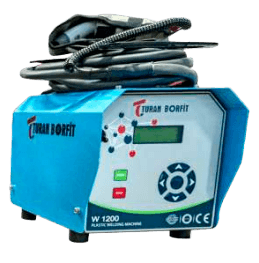
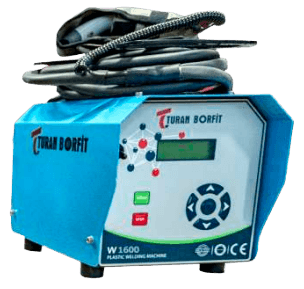
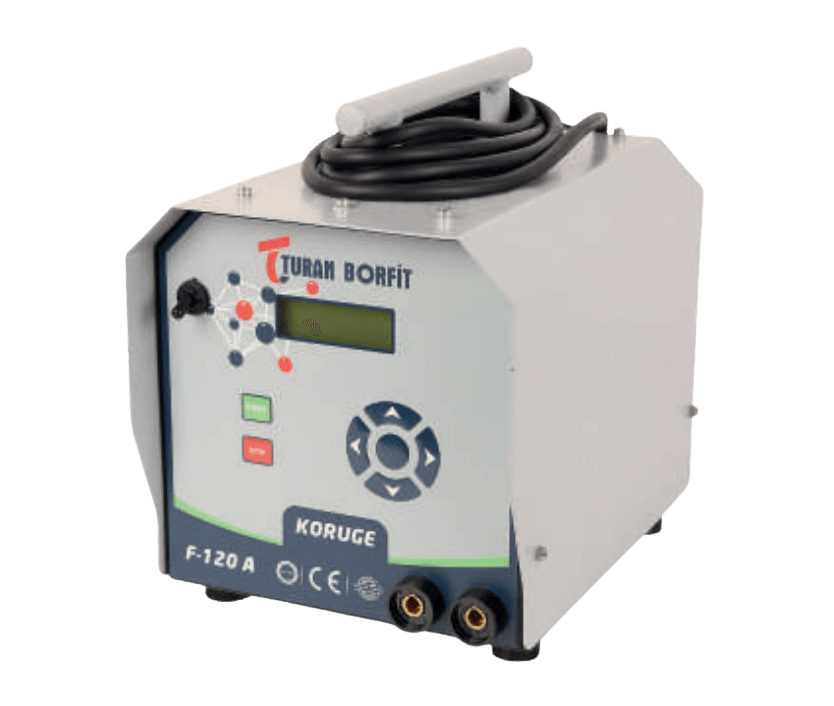
The range starts with the compact HCU 300 MINI for Ø 20–180 mm service work and goes up to the W 1600 for fittings up to Ø 1600 mm. The HCU, HST and W units weld PE 100, PP and PVDF fittings, run on 230 V with an 8–48 V output and have an IP54 housing. The HCU 300 MINI and HST 300 EASY D 2.0 store up to 500 welds and the W 500 and W 1600 up to 4,000, so you can hand over a complete weld record at the end of the job. The EF 120 A is a simpler microprocessor-controlled unit with adjustable voltage, current and time.
Electrofusion forgives very little. The pipe surface has to be scraped, the pipe has to be round, and the supply voltage has to stay between 210 and 230 V for the whole weld. The cautions on each machine page cover the rest.
FAQ
Frequently asked questions
What is an electrofusion welding machine?
It is the control unit that supplies power to an electrofusion fitting. It reads the fitting barcode, applies the welding voltage for the set time and stops by itself when the weld is complete.
What sizes can your electrofusion machines weld?
The HCU 300 MINI covers Ø 20–180 mm, the HST 300 EASY D 2.0 Ø 20–450 mm, the HST 300 JUNIOR+ 2.0 and W 1200 up to Ø 1200 mm, and the W 1600 up to Ø 1600 mm.
Can they weld PP and PVDF fittings as well as PE?
Yes. The HCU, HST and W units are rated for PE 100, PP and PVDF electrofusion fittings.
What if the power cuts out during a weld?
That joint cannot be finished. Let it cool, cut it out and weld a new fitting. Never re-weld the same coupler.