
Electrofusion Fittings
PE 100 couplers, elbows, tees, saddles and tapping tees for drinking water and natural gas lines.
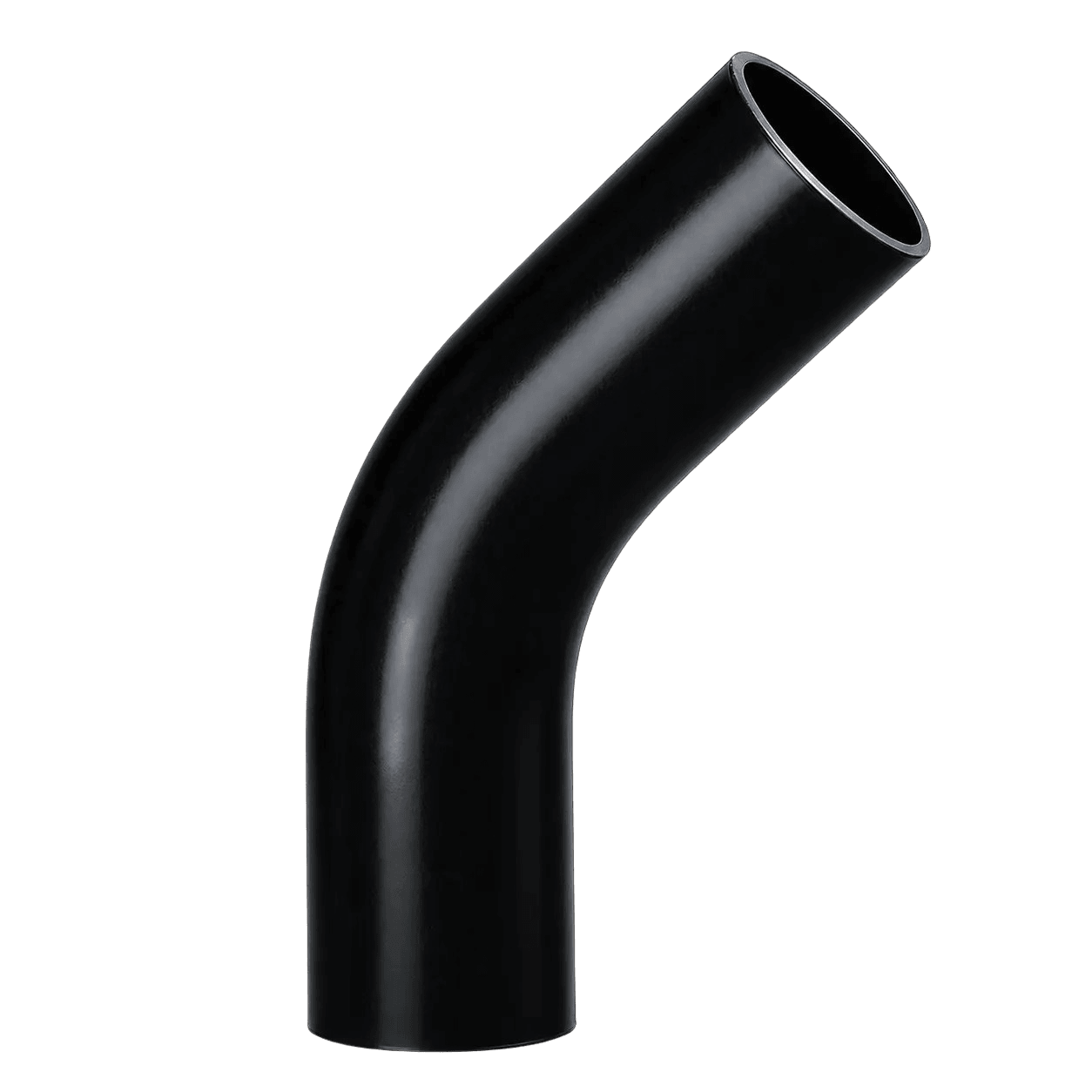
PE 100 45° Sweep Bend
PN 10-16-20-25, Ø 32 – Ø 900

PE 100 90° Sweep Bend
PN 10-16-20-25, Ø 32 – Ø 900
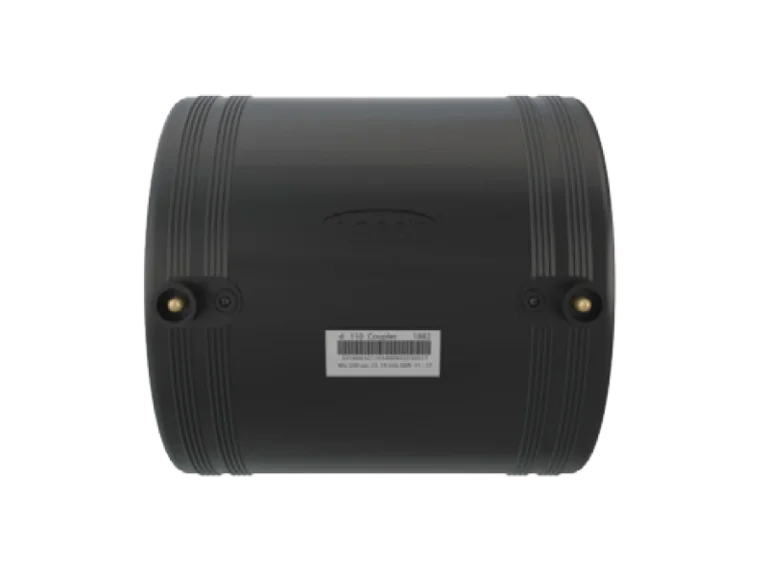
EF Coupler
PN 10-16, Ø 20 – Ø 1600
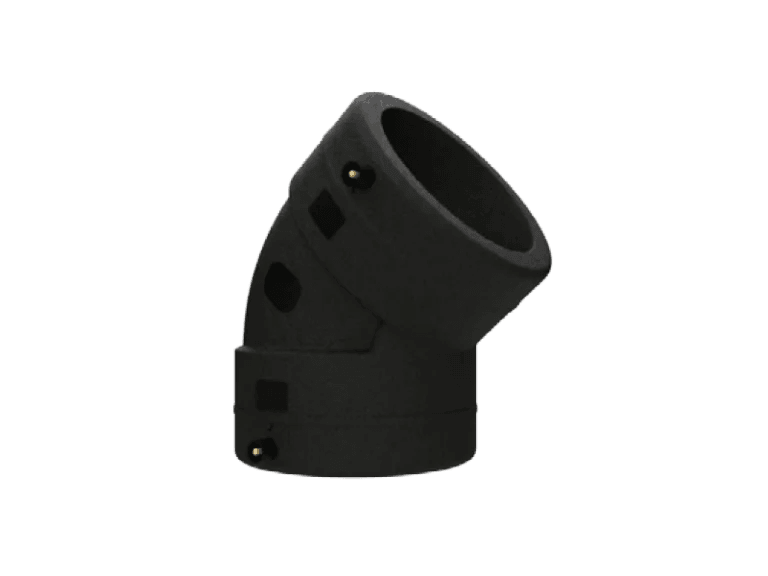
EF Elbow 45°
PN 10-16, Ø 32 – Ø 630
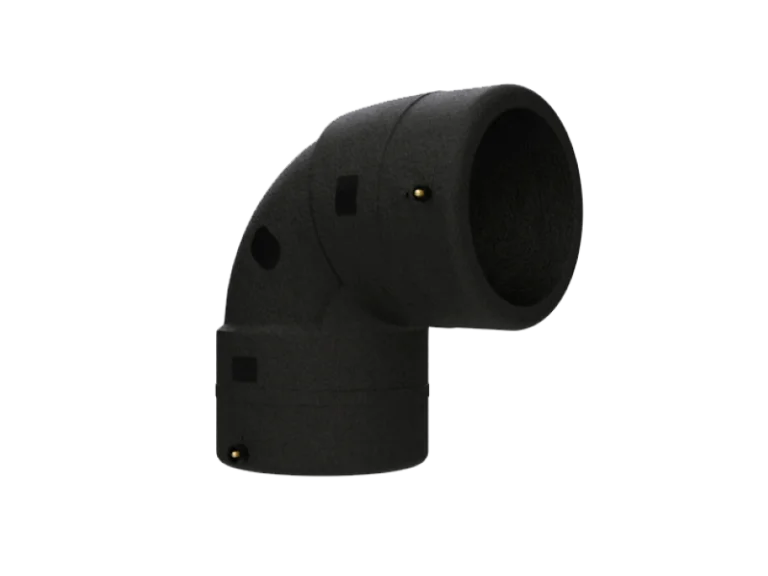
EF Elbow 90°
PN 10-16, Ø 20 – Ø 630
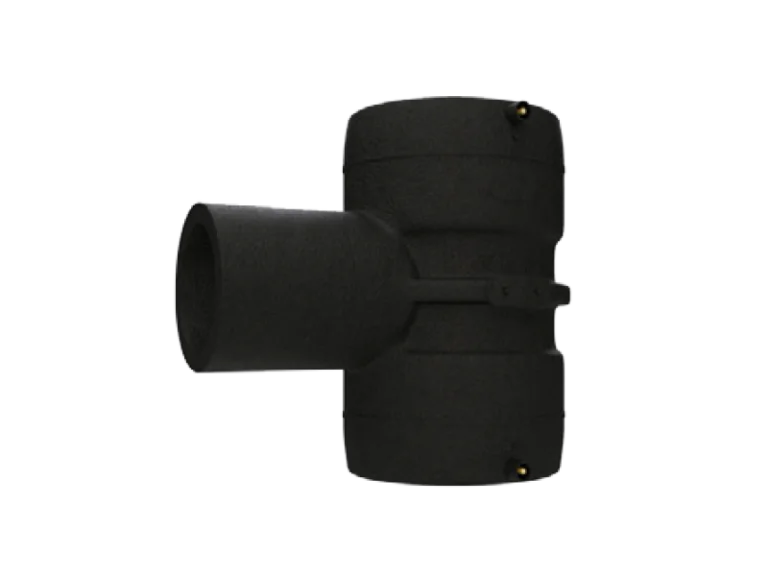
EF Equal TEE 90°
PN 10-16, Ø 20 – Ø 630
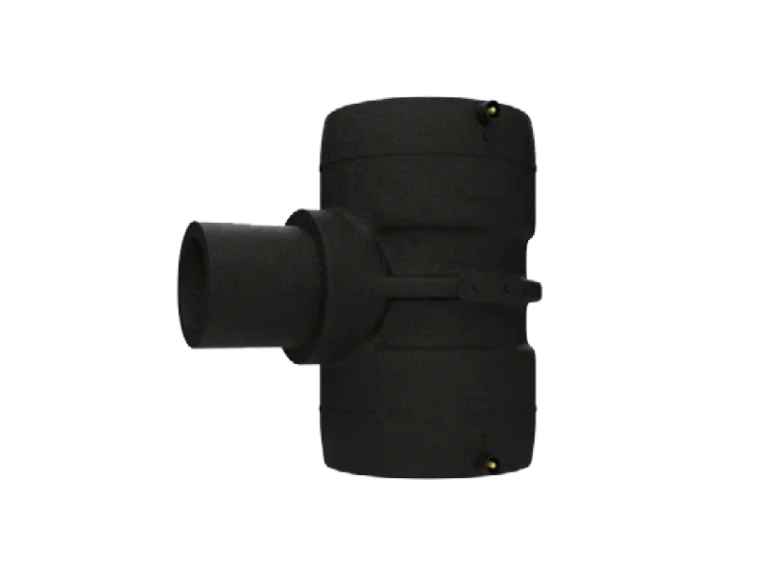
EF Reduced TEE 90°
PN 10-16, Ø 25-20 – Ø 630-315
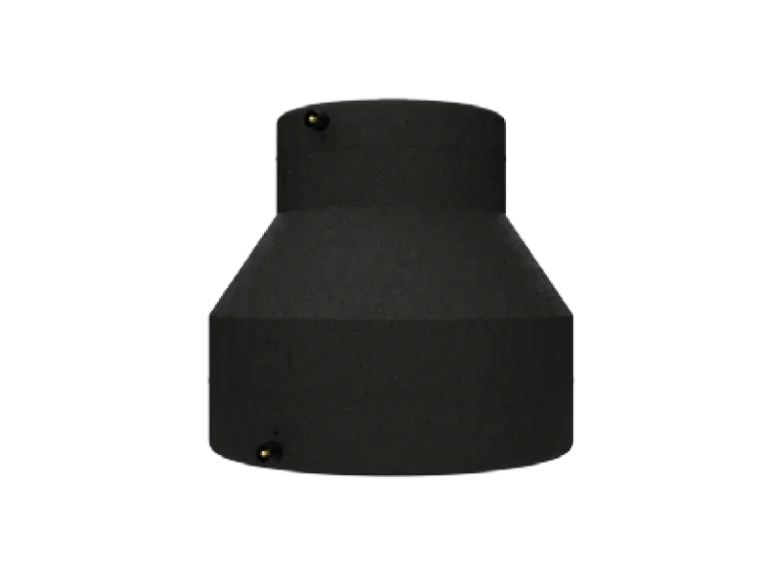
EF Reducer
PN 10-16, Ø 25-20 – Ø 500-315
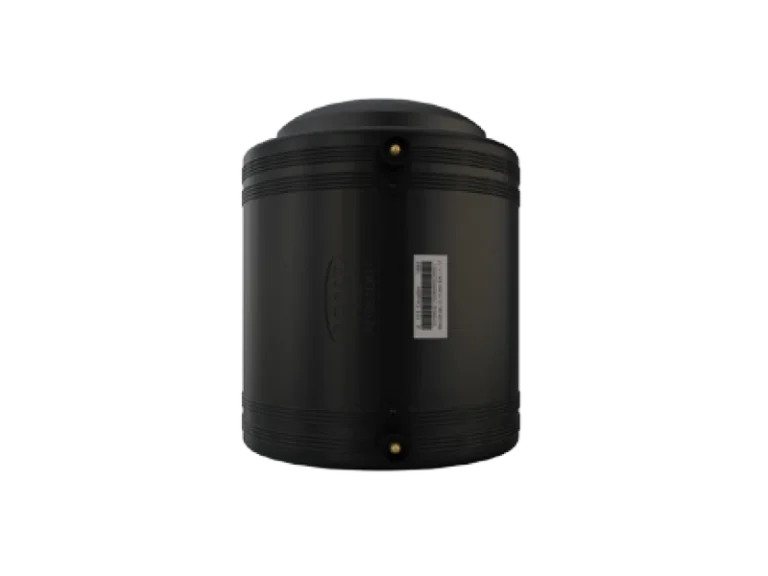
EF Cap
PN 10-16, Ø 20 – Ø 400
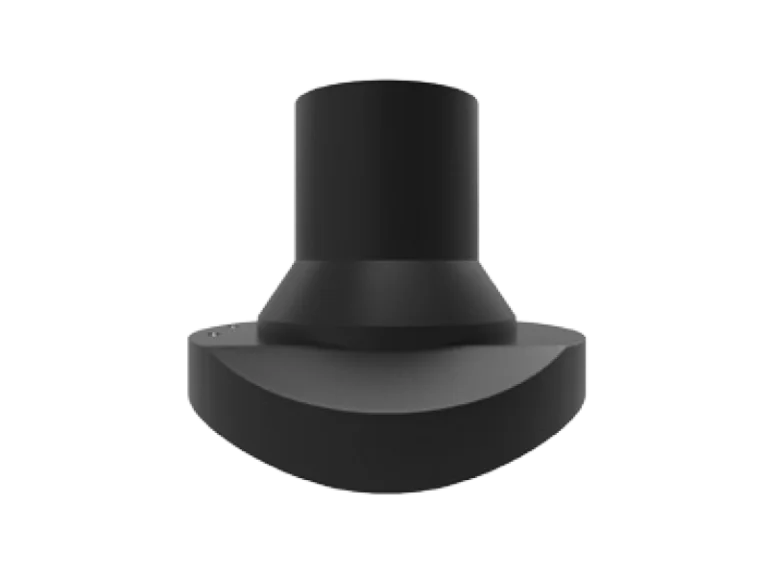
EF Saddle (Outlet 20 – 50)
PN 10-16, Ø 63-20 – Ø 400-50

EF Saddle (Outlet 63)
PN 10-16, Ø 63-63 – Ø 1000-63
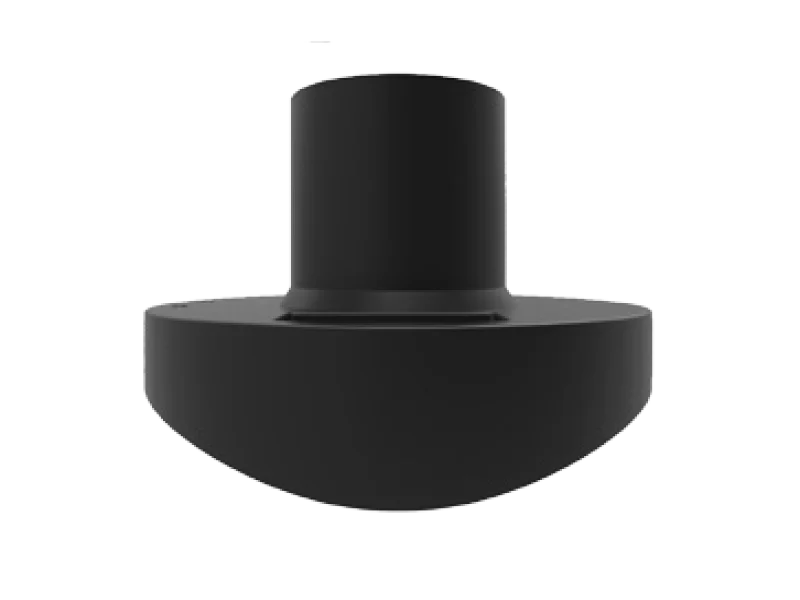
EF Saddle (Outlet 75 – 315)
PN 10-16, Ø 125-75 – Ø 1000-315

EF Saddle (Male Threaded)
PN 10-16, 110-32
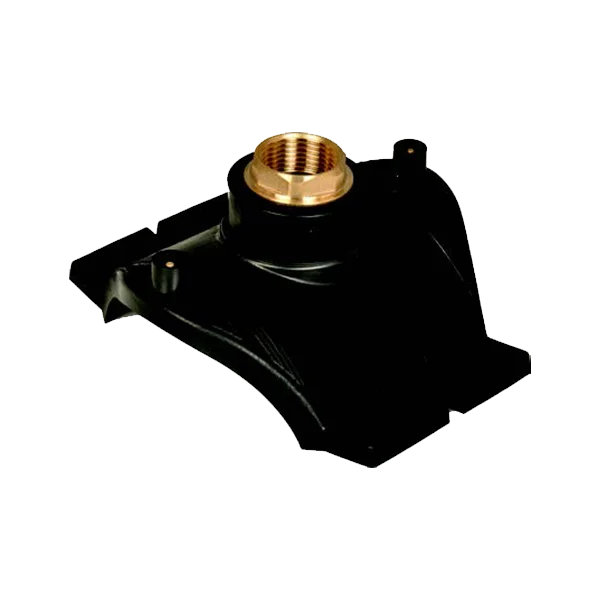
EF Saddle (Female Threaded)
PN 10-16, 110-32
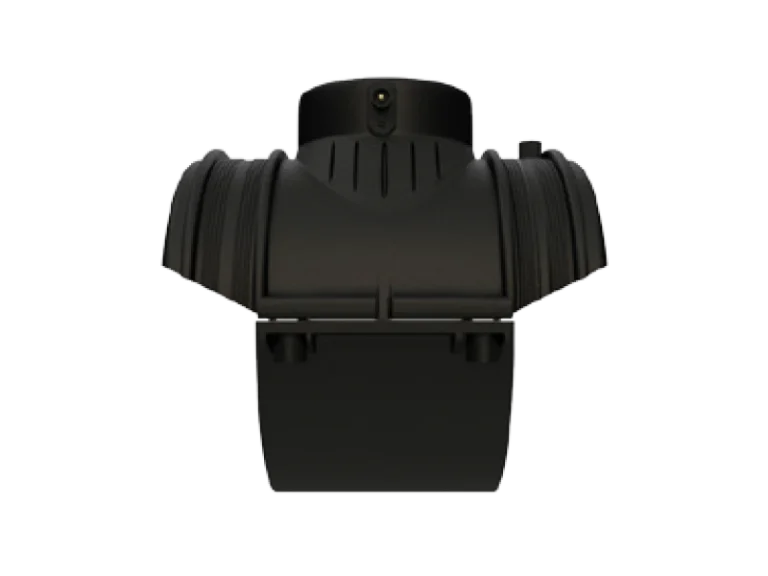
EF Repair Saddle
PN 10-16, Ø 40 – Ø 400
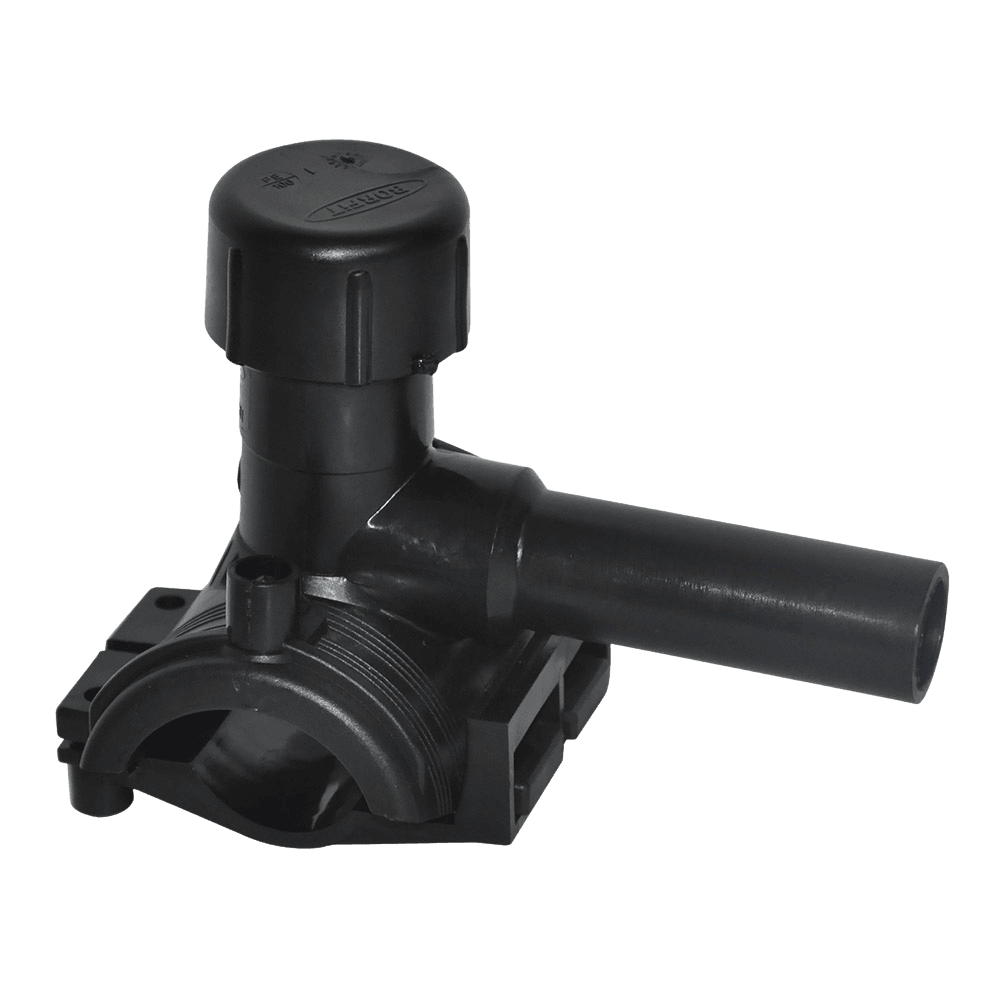
EF Tapping TEE (Without Valve, Mono Block)
PN 10-16, Ø 40-20 – Ø 200-40
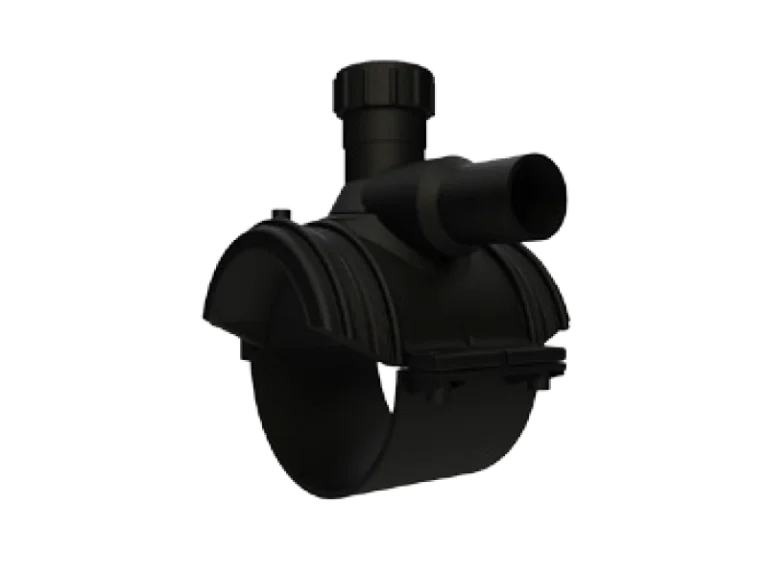
EF Tapping TEE 360° (Without Valve)
PN 10-16, Ø 63-20 – Ø 400-63
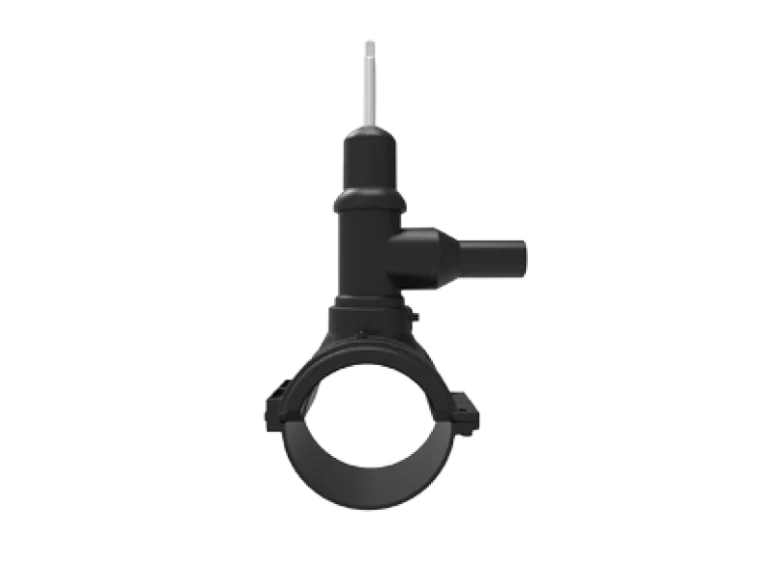
EF Valve Tapping TEE 360°
PN 10-16, Ø 63-20 – Ø 400-63
ABOUT THIS RANGE
About our electrofusion fittings
Electrofusion fittings have a heating wire moulded into the bore. Once the pipe is scraped, cleaned and pushed into the socket, a control unit sends current through the wire and the fitting fuses to the pipe. Nothing has to move, which makes electrofusion the easiest way to join PE pipe in a trench, make a repair or add a service connection to a main.
We make our electrofusion fittings in PE 100, SDR 11 (PN 16) and SDR 17 (PN 10), to TS EN 1555-3 for natural gas and TS EN 12201-3 for drinking water. The range covers couplers from Ø 20 to Ø 1600 mm, 45° and 90° elbows, equal and reduced tees, reducers, caps, branch saddles, threaded saddles, repair saddles and tapping tees, plus long-radius PE 100 sweep bends up to Ø 900 mm.
Most product pages include the full dimension table with product codes, so you can check sizes and lengths before you order.
FAQ
Frequently asked questions
What do SDR 11 and SDR 17 mean?
SDR is the ratio of a pipe's outside diameter to its wall thickness. In PE 100, SDR 11 corresponds to PN 16 and SDR 17 to PN 10 for water. A lower SDR means a thicker wall and a higher pressure rating.
Are your electrofusion fittings suitable for natural gas?
Yes. They are made to TS EN 1555-3, the standard for PE fittings in gas supply systems, and certified by TSE and IIP.
Can I use your fittings on PE 100RC pipe?
Yes. PE 100 and PE 100RC weld the same way with the same equipment, so our fittings work on both grades.
What is the difference between a branch saddle and a tapping tee?
A branch saddle is welded over a hole cut in the main, so the line has to be out of service. A tapping tee has its own cutter, which lets you connect to a main that is still under pressure.